 Narrify
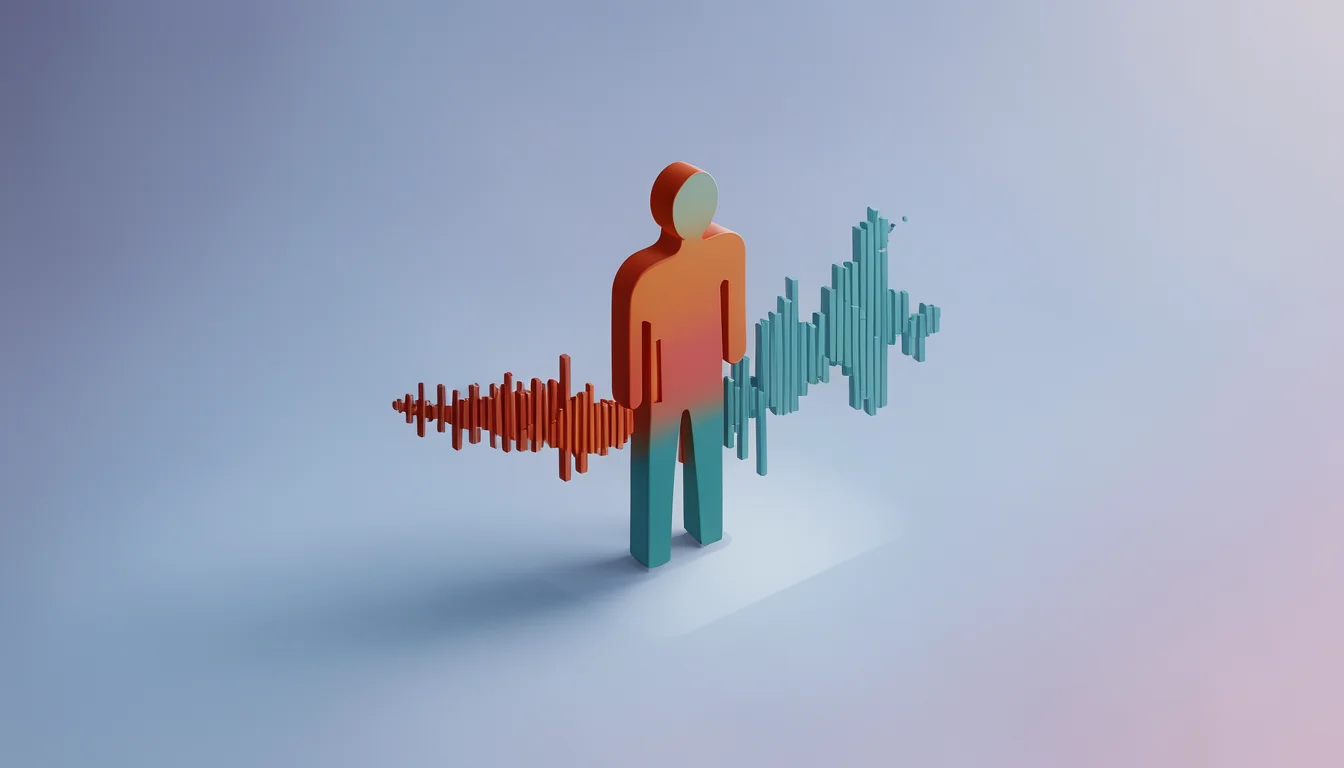
Frequently asked questions
What is AI voice cloning?
AI voice cloning creates a unique digital model of a specific person’s voice using sample audio. It allows the synthesis engine to generate speech that sounds identical to the original speaker, rather than using a generic preset voice. This technique is distinct from standard text-to-speech, which uses fixed voice models.
How is voice cloning different from TTS?
Standard TTS uses fixed voice presets like Aria or Felix, trained on broad datasets. Voice cloning creates a custom model based on specific audio samples. Narrify uses fixed presets and does not offer custom cloning. Our voices are based on licensed recordings from LibriTTS-R and LibriVox, ensuring consistent quality without the variability of cloning.
Do I need permission to clone a voice?
Yes, generally you need permission to clone a recognizable voice, especially for commercial use. Laws vary by jurisdiction regarding voice rights and likeness. Since Narrify does not offer cloning, you use preset voices which are generally safe for commercial content. Always verify local regulations when using specific voice likenesses in your projects.
Can I clone my own voice with Narrify?
No, Narrify does not offer custom voice cloning. You cannot upload audio samples to create a unique model of your voice. You can only choose from the eight available preset voices. This keeps costs predictable and ensures consistent voice quality across all your generated audio files without the complexity of managing custom models.
Are the voices in Narrify cloned?
No, the voices in Narrify are not cloned. They are presets based on licensed recordings from LibriTTS-R (CC BY 4.0) and public-domain audiobook readings from LibriVox. Each voice is a fixed model trained on broad datasets, not a copy of a specific individual’s unique vocal characteristics. This ensures consistency and reliability for your content.
What is the difference between preset and cloned voices?
Preset voices are fixed models available to all users, like Aria or Felix. Cloned voices are custom models built from specific audio samples of a particular person. Narrify offers only presets. Presets are more stable and easier to integrate. Cloning requires more data and processing, often resulting in higher costs and variability in output quality.
Is voice cloning expensive?
Voice cloning can be expensive due to the training data required and the computational resources needed to maintain custom models. Narrify avoids these costs by using preset voices. Our pricing is simple: $0.01 per 1,000 characters. Failed requests are free. This makes high-volume content creation predictable and affordable without the premium fees often associated with custom cloned voice services.
Does Narrify offer voice cloning?
No, Narrify does not offer voice cloning services. We provide a reliable text-to-speech API using eight fixed preset voices. This approach ensures consistent quality and predictable costs for agencies and creators. You do not need to manage custom voice models or worry about the variability that can come with cloned voice technologies.
What is CC BY 4.0 license?
CC BY 4.0 is a Creative Commons license that allows others to distribute, remix, adapt, and build upon your work, even commercially, as long as they credit you. Our voices are based on LibriTTS-R (CC BY 4.0) and LibriVox public-domain readings. Our voice data is based on LibriTTS-R, which uses this license. This ensures legal clarity for the source material used in our preset voice models for your content.
Are the voices in Narrify public domain?
The source recordings for some voices come from LibriVox, which provides public-domain audiobook readings. However, our specific voice presets are based on licensed data from LibriTTS-R (CC BY 4.0). This means the underlying data has clear licensing terms. You can use the generated audio for your projects without worrying about complex public domain restrictions.
What is an inaudible watermark?
An inaudible watermark is a subtle signal embedded in the generated audio file that marks it as synthetic speech. It is not audible to human listeners but can be detected by software. Narrify includes this watermark in every generated file to help identify AI-generated content, adding a layer of transparency to your audio assets.
Why do YouTube creators use presets?
Presets offer consistent voice quality and predictable costs, which are crucial for high-volume content creation. Agencies prefer presets because they do not require training data or custom model management. Narrify’s presets like Felix or Luna provide reliable, high-quality audio that scales easily. This simplicity allows creators to focus on content rather than voice engineering.
How accurate are AI voice clones?
AI voice clones can be highly accurate, often indistinguishable from the original speaker. Narrify does not offer cloning. However, accuracy depends on the quality and quantity of the training samples. Narrify uses preset voices which are consistently accurate and stable. While we do not offer cloning, our presets are trained on extensive datasets to ensure high fidelity and natural speech patterns.
Can I use cloned voices for commercial content?
Yes, you can use cloned voices for commercial content if you have the necessary rights to the voice. Narrify does not offer cloning. Since Narrify does not offer cloning, you use preset voices which are generally safe for commercial use. Our voices are based on licensed and public-domain data. Always ensure you comply with local laws regarding voice rights and licensing for your specific use case.
What Is Voice Cloning?

Voice cloning creates a digital replica of a specific person’s voice using AI. Unlike standard text-to-speech which uses a fixed synthetic model, cloning analyzes a target speaker’s unique vocal characteristics to generate new audio that sounds like them.
Definition of Cloning
Cloning typically requires a sample of the target voice, ranging from a few seconds to several hours of audio. The AI learns the timbre, pitch, and speech patterns to reproduce that specific voice in new text-to-speech outputs.
How It Works Technically
The process involves feeding audio data into a neural network that maps the speaker’s acoustic features. Once trained, the model can generate speech for any input text, mimicking the original speaker’s tone and cadence with high fidelity.
Consent and Rights
Using a cloned voice often requires explicit consent from the voice owner, especially for commercial purposes. Rights vary by jurisdiction, and unauthorized cloning can lead to legal disputes over likeness and intellectual property ownership.
- Explicit consent is usually required for commercial use.
- Laws vary by region regarding likeness rights.
- Unauthorized cloning can lead to legal disputes.
Preset Voices vs. Cloned Voices

Choosing between preset and cloned voices depends on your need for consistency versus unique voice matching. Presets offer predictable quality across thousands of hours, while cloning introduces variability that may not suit high-volume workflows.
Cloned voices can mimic a specific speaker but often require more processing time and lack the uniformity of presets. For agencies, this variance can complicate brand consistency across multiple projects.
Consistency in Presets
Narrify’s eight preset voices deliver uniform tone and pacing across every request. This ensures your YouTube content maintains a cohesive audio identity, regardless of volume.
Each voice is trained on licensed, consistent source material, eliminating the quality drift common in cloned voices that vary by session.
- Uniform tone across all languages and formats.
- No quality variance between short phrases and long documents.
- Instant availability without training delays.
Variety in Clones
Cloned voices offer unique tonal characteristics but lack the standardized consistency of presets. Each clone is distinct, which can be beneficial for specific character roles but challenging for brand-wide uniformity.
The cloning process often introduces subtle artifacts or variations in speech patterns, making it less suitable for continuous series where listener familiarity is key.
- Unique voice characteristics per clone.
- Potential for quality variance between sessions.
- Requires individual testing for each clone.
Cost Differences
Preset voices are priced uniformly at $10 per million characters, with no additional fees for voice selection. Failed requests are free. This predictability helps agencies budget accurately for high-volume content production.
Cloned voices often incur extra setup or usage fees, adding complexity to cost structures. With Narrify, you avoid these hidden costs by using presets.
- Flat rate: $10 per million characters.
- No extra fees for voice selection.
- Predictable billing for agencies.
Why YouTube Creators Use Presets

Narrify provides eight distinct, pre-licensed voices ready for immediate use. This ensures consistent audio quality across your entire channel without the variance often found in cloning services. Agencies can rely on predictable voice characteristics for every video.
Brand Identity
Using a fixed voice like Aria or Felix helps establish a recognizable audio signature for your content. Unlike cloned voices which may vary in quality, presets offer uniform tone and pacing. This consistency aids viewer retention and brand recognition across long-form series.
No Cloning Licensing Issues
Cloning often requires complex rights management for the source voice. Narrify’s presets are based on LibriTTS-R and LibriVox recordings, providing clear licensing structures. You avoid the legal overhead of negotiating rights for specific celebrity or influencer voices, streamlining your production workflow.
Immediate Availability
Presets are available instantly via the API. There is no training period or waiting for model generation. You can start synthesizing audio for your YouTube videos immediately after obtaining your API key, keeping your content pipeline moving without delays.
Narrify Approach: Presets Only

Narrify provides a reliable text-to-speech API optimized for high-volume YouTube content creation without the complexity of custom voice cloning. We do not offer uploading your own voice or designing new voices. This keeps costs predictable and ensures consistent quality for agencies managing multiple channels.
Our approach focuses on stability rather than novelty. By using a fixed set of eight presets, you avoid the variability and licensing risks often associated with cloning services. This allows for immediate integration and batch generation without waiting for training processes.
No Custom Cloning Offered
We do not provide custom voice cloning or voice design. You cannot upload a sample to create a unique voice profile. This limitation ensures that every request uses a proven, stable model with consistent latency and output quality.
- No voice uploading or training required
- No custom voice design available
- Fixed model behavior for predictable results
8 Curated Voices
The API offers eight distinct presets: Aria, Nova, Luna, and Sage (female); Felix, Milo, Atlas, and Orion (male). Each voice is optimized for specific tones, from warm narration to energetic promo, covering the needs of most YouTube formats. Every voice can speak any of the 23 supported languages.
- Aria (warm narrator)
- Nova (bright, upbeat)
- Luna (soft storytelling)
- Sage (calm, instructional)
- Felix (energetic promo)
- Milo (friendly, conversational)
- Atlas (neutral news)
- Orion (deep documentary)
Licensed Source Material
All voices are based on licensed recordings from the LibriTTS-R dataset and public-domain LibriVox audiobook readings. This foundation ensures high audio quality while maintaining clear rights for commercial use in your content.
- LibriTTS-R (CC BY 4.0)
- LibriVox public-domain sources
- Clear commercial rights
Data Privacy and Training

Your input text is processed solely to generate the requested audio file and is not used to train our underlying models. Once synthesis completes, the generated audio is returned in the response and not stored on our servers for later use or analysis. This ensures that your script content remains private and is not repurposed for training data.
Input Text Not Trained
We do not use your input text to improve or train our TTS engines. The text is processed in real-time to produce the audio file and is then discarded from active memory, ensuring your unique scripts remain distinct from our model training datasets.
Audio Not Stored
Generated audio files are returned directly to your API request and are not persistently stored by Narrify after delivery. This means your voice outputs are not retained for future reuse or analysis, maintaining strict separation between your content and our infrastructure.
Metadata Retention
We retain request metadata, including timestamp, character count, and status, strictly for billing and usage verification purposes. This data supports accurate invoicing and helps monitor rate limits, but it does not include the actual text content or audio files.
Technical Limitations of Cloning

Voice cloning introduces technical hurdles that standard TTS does not face. The primary bottleneck is the pre-generation phase: cloning models must be trained or fine-tuned on specific audio samples before they can generate speech. This training period adds days or weeks to the workflow, whereas Narrify’s presets generate audio in seconds.
Latency in Cloning
Cloning models must be trained or fine-tuned on specific audio samples before they can generate speech. Narrify does not offer this training process, so you cannot generate cloned audio instantly. Standard TTS generates audio in real-time or near real-time, but cloning requires a separate preparation step that delays your publishing schedule.
Quality Variance
Cloned voices often exhibit inconsistent quality, with artifacts appearing in certain phonemes or emotional ranges. The training data’s limitations directly affect the output, leading to unpredictable results across different scripts. Narrify’s eight curated presets provide consistent, high-fidelity audio across all languages and speeds, ensuring uniform brand voice without variance.
Complexity
Setting up a clone requires careful curation of source audio, managing training parameters, and validating the result. This adds technical overhead for agencies managing multiple clients. Using Narrify’s presets eliminates this complexity: you select a voice, input text, and receive audio immediately, streamlining your production pipeline for high-volume YouTube content.
When to Choose Cloning

Voice cloning technology synthesizes speech by analyzing a specific person’s vocal patterns to replicate their unique timbre and cadence. This approach is particularly valuable when a project requires a distinct, recognizable voice that standard presets cannot provide, allowing for precise emotional or stylistic alignment with the content’s narrative needs.
Celebrity Imitations
Cloning is often chosen for creating impersonations of public figures or celebrities for commentary, parody, or specific narrative roles. Narrify does not offer celebrity voice cloning.
Specific Voice Match
Projects frequently require a voice that matches a specific individual, such as a brand ambassador or a recurring character in an audiobook. Cloning ensures the audio output closely mirrors the target speaker’s unique tonal qualities, providing a level of personalization that generic synthetic voices cannot achieve.
One-Off Projects
For short-term campaigns or limited-edition content, cloning offers a tailored solution without the need to adapt to existing presets. This method is ideal when the specific vocal identity is more critical than long-term consistency, allowing for immediate deployment of unique audio assets for singular events or advertisements.
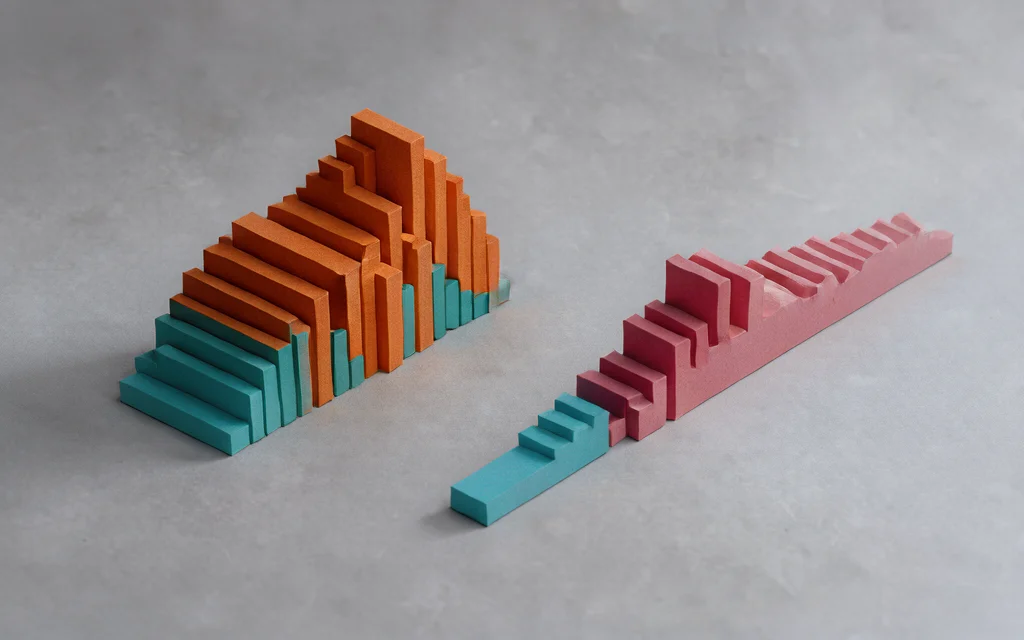
When to Choose Presets

For agencies producing long-form YouTube content, preset voices offer the stability needed for consistent branding across thousands of episodes. With eight curated options like Aria for narrations or Felix for promos, you can maintain a distinct audio identity without the variability inherent in custom cloning models.
Preset voices eliminate the need for complex licensing negotiations or voice-actor contracts, allowing you to scale production rapidly. Since the voices are based on licensed recordings, you avoid the legal uncertainties that often accompany cloned voices, ensuring your content remains safe for monetization.
Long-Term Series
When building a recurring series, consistency in voice tone and pacing is critical for audience retention. Preset voices provide a reliable, unchanging audio signature that listeners can recognize immediately, fostering a stronger connection with your brand over time.
- Maintain consistent tone across episodes
- Avoid variability common in cloned voices
- Build listener recognition and trust
Predictable Costs
Preset voices operate on a straightforward per-character pricing model, making budget forecasting simple. You pay only for what you generate, with no hidden fees for voice maintenance or subscription tiers, which is ideal for high-volume YouTube content creation.
- Flat rate per 1,000 characters
- No voice maintenance fees
- Easy budget forecasting
Instant Start
Unlike cloning, which requires recording sessions and processing time, preset voices are available immediately upon API access. You can begin generating audio for your YouTube videos within minutes, accelerating your content production pipeline without waiting for voice setup.
- No recording sessions needed
- Immediate API availability
- Rapid content production
Voice Licensing Explained

Understanding the licensing behind your audio ensures legal clarity for YouTube monetization. Narrify uses voices derived from the LibriTTS-R dataset, which provides a clear, standardized framework for commercial use.
This approach eliminates the ambiguity often found in custom cloning agreements, where rights to a specific voice’s likeness can be complex or expensive to secure.
By relying on established datasets, agencies avoid the risk of voice-licensing disputes that can arise when using cloned celebrity or influencer voices in commercial content.
LibriTTS-R License
The core voices are based on recordings from the LibriTTS-R dataset. This dataset offers a structured license that permits commercial usage, providing a solid legal foundation for API-generated audio.
Unlike custom cloning, where you negotiate rights with an individual, LibriTTS-R provides uniform terms across all 8 presets. This consistency simplifies compliance for high-volume content creators.
- Covers all 8 preset voices (Aria, Nova, Luna, Sage, Felix, Milo, Atlas, Orion).
- Allows commercial use without per-voice negotiation.
- Standardized terms reduce legal overhead for agencies.
CC BY 4.0 Details
LibriTTS-R is distributed under the Creative Commons Attribution 4.0 International License. This requires attribution to the original source material, though it does not restrict commercial exploitation of the generated audio.
You are free to monetize the resulting TTS files on platforms like YouTube without additional licensing fees, provided you respect the attribution requirements of the source dataset.
- Permits commercial use.
- Requires attribution to the source.
- No royalty payments per audio file.
Public Domain Sources
Many underlying recordings originate from LibriVox, which hosts public domain audiobook readings. These recordings are free from copyright restrictions, allowing them to be processed into synthetic voices without encumbrance.
This public domain status ensures that the base audio data is clean, reducing the risk of third-party copyright claims against your generated content.
The combination of public domain sources and CC BY 4.0 licensing creates a low-risk environment for scalable content production.
- Derived from LibriVox public domain readings.
- No copyright restrictions on base audio.
- Clean chain of title for commercial use.
image
Audio Watermarking

Every audio file generated by Narrify carries an inaudible digital watermark. This marker identifies the content as synthetic speech without altering the audible quality for your viewers or listeners.
The watermark is embedded directly into the audio data, ensuring that the file remains fully compatible with standard playback and editing tools used in your YouTube workflow.
Inaudible Watermarks
The watermark is designed to be transparent to human hearing. It does not add noise, echo, or artifacts to the audio, preserving the clarity of the voice preset.
This allows creators to use the audio in monetized YouTube content without worrying about audible degradation caused by the synthetic marker.
Synthetic Speech Identification
Third-party detectors can scan the audio file to verify its origin. This helps platforms and rights managers identify content generated by AI systems.
For agencies, this provides a clear audit trail of which videos use synthetic voices, supporting transparency in content production.
Transparency
We include this watermark to be honest about the nature of the voice. It signals that the audio is AI-generated, distinguishing it from human recordings.
This approach aligns with emerging standards for labeling synthetic media, ensuring your content is clearly identified as produced by the Narrify API.
Agency Workflow for Voice Selection

Agencies streamline TTS integration by testing Narrify’s eight presets against script samples. This ensures consistent voice quality before committing to large volumes, avoiding the variability often found in custom cloning projects.
Client approval is straightforward: share the generated audio files directly. Since the voices are stable presets, clients know exactly what they are getting for every video in their series, eliminating surprise tonal shifts common with cloned voices.
Testing Voices
Start by generating short phrases with each of the eight preset voices. Compare audio clarity and tone against your script’s mood. Use the provided API keys to test via the dashboard or curl commands.
Select the single voice that best matches the brand identity. Because presets do not drift, the voice remains identical across all future batches, ensuring audio continuity for your viewers.
- Test up to 8 presets per project
- Use short text samples for quick comparison
- Verify audio format compatibility (mp3, wav, opus)
Client Approval
Present the chosen voice audio to your client for sign-off. Narrify’s voices are distinct and recognizable, making approval easy without legal ambiguity regarding celebrity likeness.
Once approved, document the voice selection. This prevents confusion during high-volume production runs where multiple videos may be generated simultaneously.
Batch Generation
Split long scripts into segments under 4096 characters. Submit these via the API in sequence to generate audio files rapidly. The system processes requests sequentially, so queue times are predictable.
Download the resulting audio files and integrate them directly into your video editing timeline. Since failed requests are free, you can retry any segment without cost if the audio quality does not meet standards.
- Split text at logical sentence boundaries (up to 4096 characters)
- Keep segments under 4096 characters
- Retry failed requests at no extra charge
Common Misconceptions

Many assume that any realistic synthetic voice is a clone, but Narrify uses eight fixed presets derived from licensed recordings. These voices are consistent and predictable, unlike custom models that vary per client.
We do not offer voice design or cloning, so you get reliable audio without licensing negotiations or complex setup workflows.
Cloning vs. TTS
Text-to-speech converts any text into audio using a fixed model. Voice cloning creates a unique model trained on specific audio samples. Narrify uses TTS with preset voices, ensuring every request uses the same engine and quality.
- Cloning requires specific audio samples and training time.
- Narrify presets are ready instantly with no training period.
Realism Claims
Synthetic speech is realistic but not identical to human speech. Our voices sound natural for YouTube content but carry an inaudible watermark marking them as synthetic. They do not perfectly mimic human breath patterns or emotional nuance.
Human-like Quality
While the voices are clear and engaging, they lack the subtle imperfections of human recording. For agencies, this consistency is often preferable to the slight variations found in cloned voices.
Listen to the 8 voices
Each sample below was generated by this API from the same sentence. Longer texts are split into parts and joined, which adds minimal overhead.


23 languages
Any voice speaks any of these languages.
Sources and further reading
- Wikipedia
- Creative Commons Attribution 4.0
- LibriTTS-R paper (arXiv 2305.18802)
- curl documentation
- TRON developer hub: TRC-20
- LibriVox public-domain audiobooks
- MDN: Web Speech API
- W3C WAI: making audio and video accessible
- IETF RFC 7845: Ogg Opus
- OpenAI API reference: create speech
- Tether (USDT)
- FFmpeg documentation
